Is it possible to be vegan in Iceland?

“You’re staying vegan out in Iceland?” a friend asked quizzically, when I explained I was moving there.

“Yes.”

“The place where they eat puffin, and like, sheep’s head?!”

“Well that’s not really typical fare for most Icelanders on a day to day basis, but yes, I’m moving to a place where the typical diet is very meat and fish heavy. And I’m staying vegan.”

“Good luck!” said friend, dubiously.

Veganism is not only an incredibly important part of who I am but there is also the practical aspect that my partner is not only also a committed vegan but is allergic to eggs and milk. I didn’t want to go back to being vegetarian, but even if I did, it wouldn’t have been practical to do so and do all our cooking separately. Veganism was here to stay.

So is it possible to be vegan in a country where the national dish is fermented shark? I’m pleased to say the answer is a resounding “Yes!” 

Veganism has boomed in the last few years 

Like in many other countries, veganism has become huge here in Iceland. When I first visited in 2016, there were a lot of places displaying vegan options, which I initially put down to catering primarily to tourists. But now living here, I realise I underestimated just how much interest there is in veganism locally. The facebook group Vegan Ísland (entirely in Icelandic) has 23,140 members – pretty impressive for a country where the population is only 364,134!

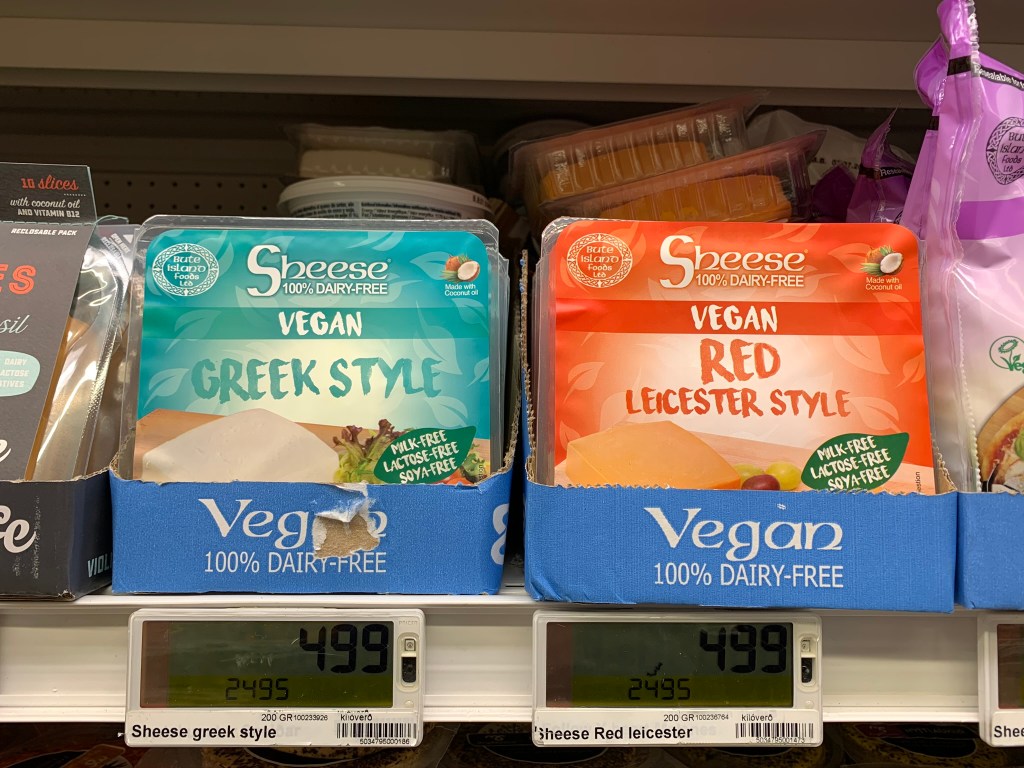
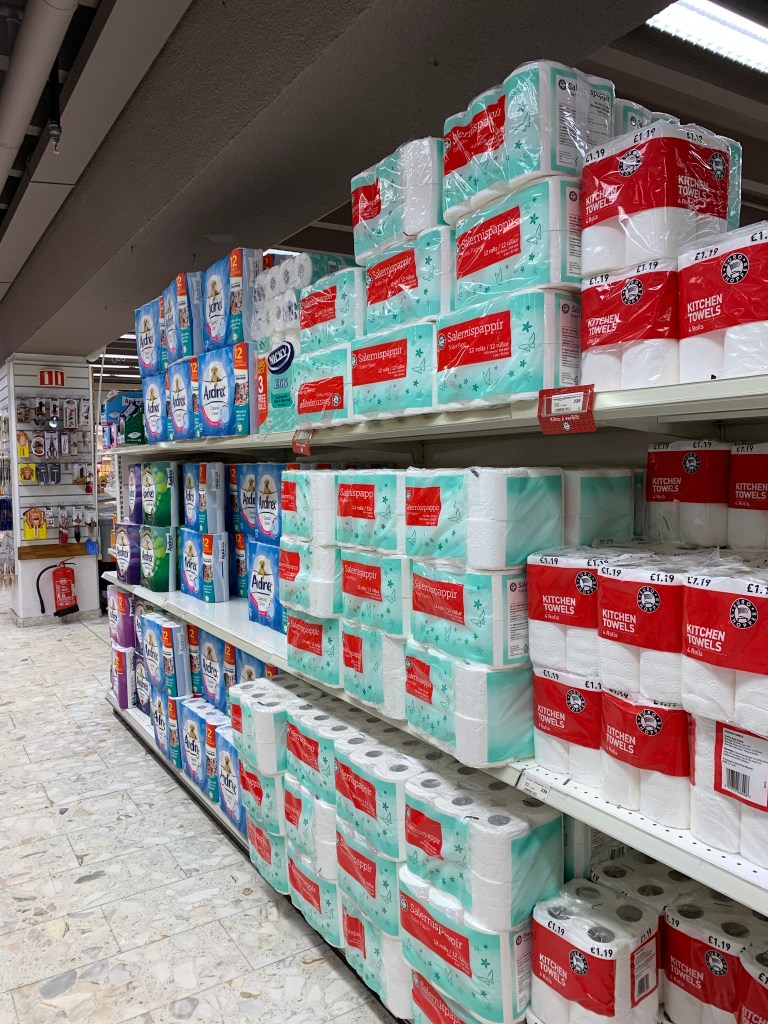
There is generally a lot of choice in supermarkets (with one caveat below!)

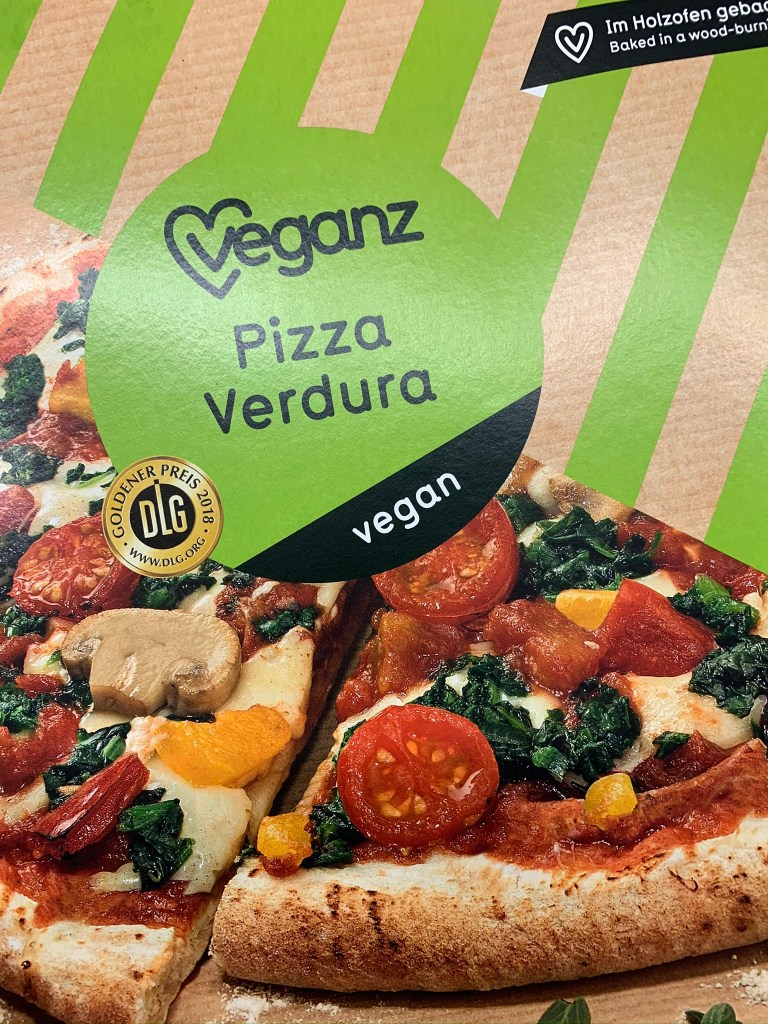
As much as I’d love to not have to rely on imported food because of the carbon footprint, living on a tiny island in the North Atlantic does necessitate a certain reliance on imports (although Iceland are making progress in harnessing the power of geothermal energy for locally producing some vegetables in greenhouses – more on that in a later post). The good thing about this is that Iceland receives imports from the UK, Sweden and the USA primarily – Linda McCartney products (UK) abound in supermarkets, Oumph and Oatly (Sweden) are also easily found, as are Gardein products (USA – their spicy chipotle lime “chicken” is to die for).

Eating out in Reykjavík is easy (or at least was, pre-COVID!)

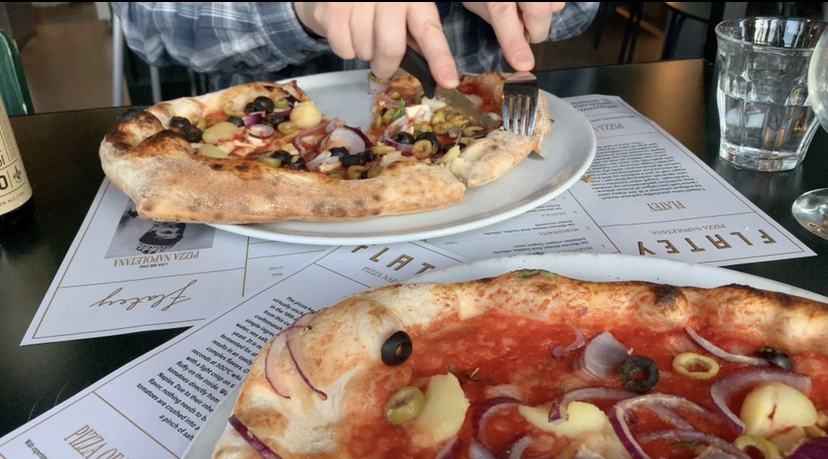
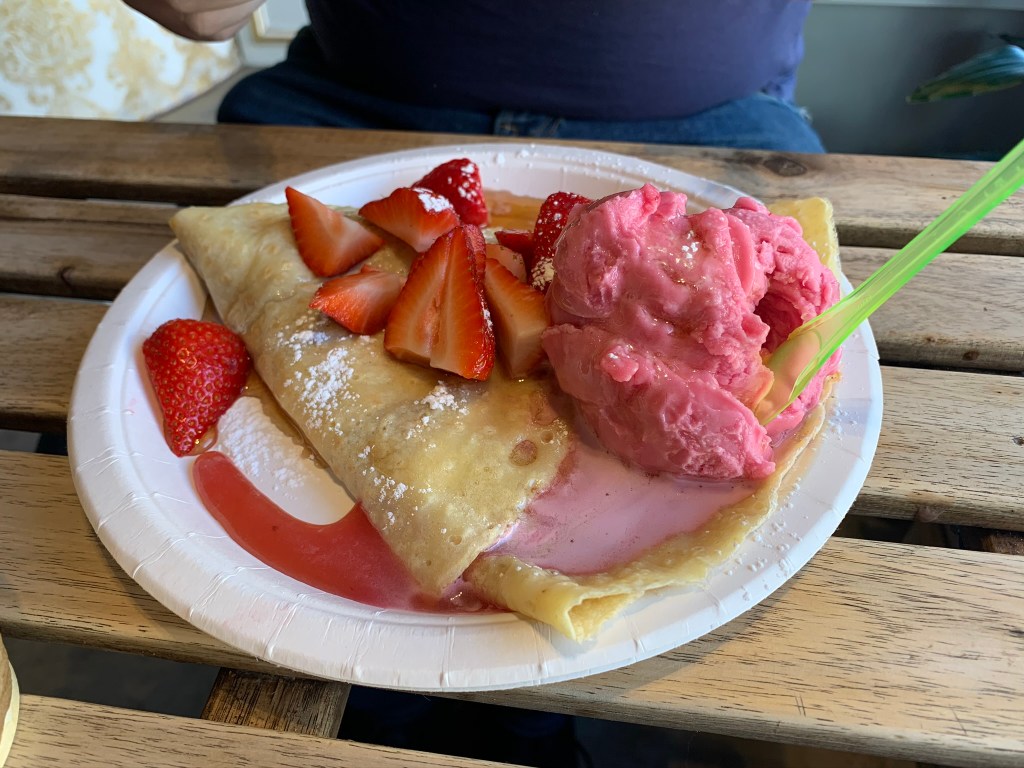
There are so many fully vegan restaurants in town now it would actually be too time consuming to name them all. Popular vegan favourites include Veganaes, serving up the best vegan junk food in town and Gló, for massive salad bowls . And there are a lot of restaurants that aren’t 100% vegan but offer clearly labelled vegan options. My favourite brunch spot, Eldur og Ís, serves up massive vegan crepes with a variety of sweet and savoury fillings, including homemade vegan ice cream. My favourite pizza joint, Flatey, turns out a delicious vegan pizza with divine toppings like Icelandic potato and fresh rosemary. The new Indian in town does a mean Tofu Tikka Masala.
Of course though, it’s not all plain sailing.

Options outside of Reykjavík are more limited, but improving

We got seriously stuck on the south coast 2 years ago, when the guesthouse we were staying in which advertised a kitchen turned out to not have one! We spent about an hour driving to various places within reach of where we were staying only to be met by confusion and shrugs when we explained our dietary restrictions. We eventually managed to get somewhere where they understood veganism enough to serve us some extortionately expensive cous cous and sweet potato fries.

Now when I road trip I make sure I carry some food that can be eaten without cooking facilities, like bread, hummus, fruit and protein bars. I haven’t been caught out again since, but it’s important to remember veganism is still a relatively new phenomenon, and it hasn’t caught on everywhere here outside the capital.

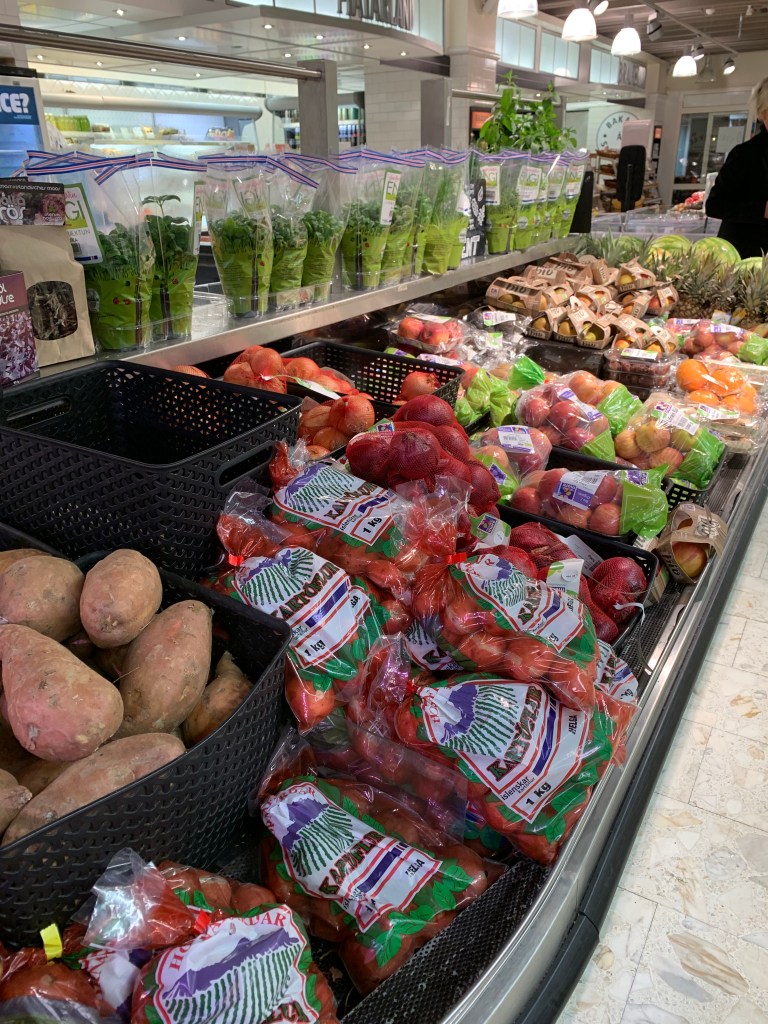
Fresh vegetables are really expensive

There’s just no getting round this – there is a huge cost associated with importing food and particularly fresh food. A single bell pepper is about 99p. A single ripe avocado is about £3. A large head of broccoli is about £1.70 and a small punnet of cherry tomatoes £2.50. I spend an inordinate amount of money on fresh vegetables, because I really like cooking from scratch and I would honestly be miserable if I couldn’t make some of my favourite dishes from the UK. That doesn’t mean I’m not crying inside when I’m handing over my 164 isk for a single bell pepper when I could get at least 3 for that price in the UK.
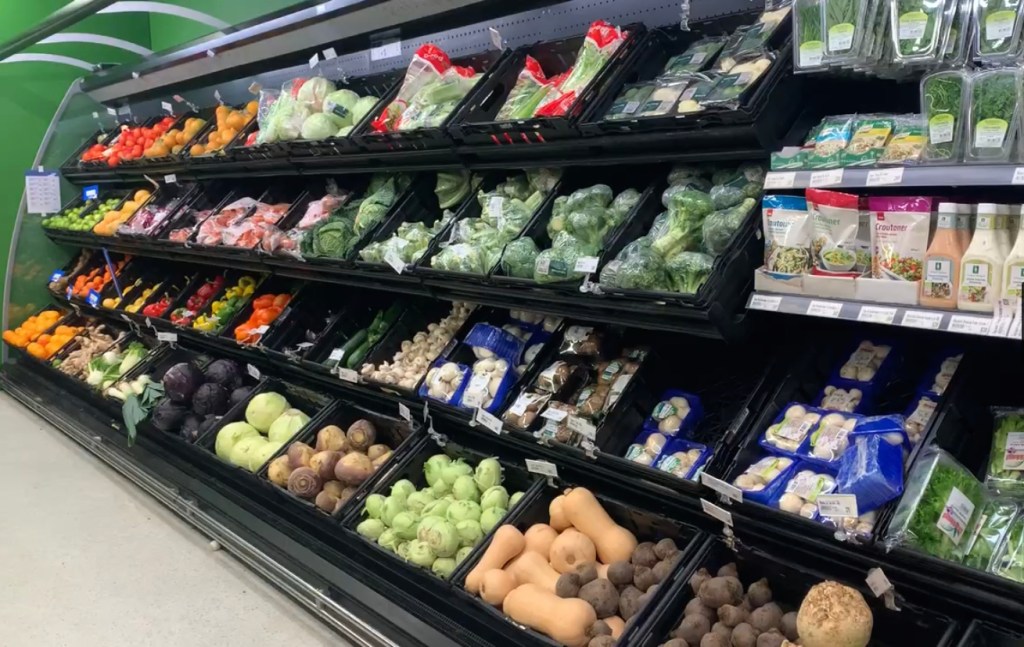
That rare and wonderful moment when you visit Nettó and find the veg aisle fully stocked

I’ve had to get used to certain things not being available

Having said above about how much choice there is in supermarkets, unfortunately there is one food type where this isn’t the case – fresh vegetables. Like every self-respecting vegan **winks** my favourite vegetable is kale – my success rate in finding it is maybe 1 in every 4 times I’ve looked. I’ve sometimes gone to three different supermarkets looking for a specific vegetable or herb only to find it out of stock everywhere. Someone on Vegan Ísland found bok choy a few weeks ago and everyone went crazy demanding to know where, when, and how, because apparently it was the first time it had been spotted in supermarkets *this whole year*. The key is just to learn to be flexible. When I go shopping for dinner I usually have a few back up dinners in mind in case I can’t find any of the ingredients I need.

And that’s pretty much it! Apart from food prices here being generally high (not just for vegan products) living here definitely hasn’t been a barrier to continuing to be vegan.
3 of the most weird and wonderful museums in Iceland

The Iceland Phallological Museum

Yes we have a museum here dedicated to penises. No I’ve never been. Yes I giggle whenever I have to walk past it. 

When I ran a virtual pub quiz for the ‘British and Living in Iceland’ group last week my first question in my Iceland trivia round was “How many mammals are represented at The Iceland Phallological Museum?” I said a point would go to whoever got the closest guess which was 6. It actually contains over 200 genuine specimens of mammal penises. 

According to Wikipedia “In July 2011, the museum obtained its first human penis, one of four promised by would-be donors. Its detachment from the donor’s body did not go according to plan and it was reduced to a greyish-brown shrivelled mass that was pickled in a jar of formalin. The museum continues to search for “a younger and a bigger and better one.” I mean you have to feel a bit sorry for the donor!

I’ve been reliably informed that the smallest…err…specimen is that of a hamster, which has to be viewed through a microscope, and the biggest that of a blue whale.

Oh and there are cabinets which may *look* empty but are actually prominently displaying the penises of the Hidden Folk like elves who are invisible. You can’t argue with logic like that.

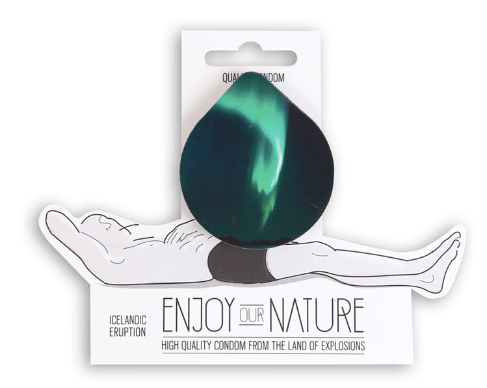
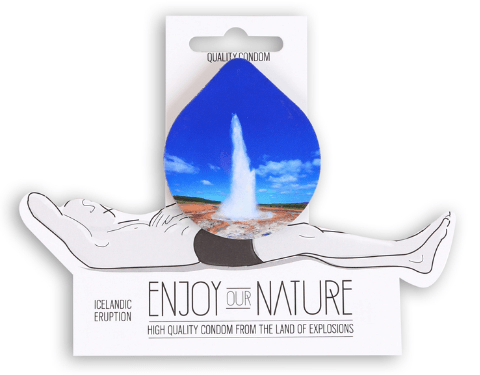
Unfortunately the museum is currently closed due to the current situation with COVID-19, but I have been reliably informed that their shop – phallus.is (yes, really) is open for business for when you desperately need that aurora borealis or geysir styled condom.

The Museum of Icelandic Witchcraft & Sorcery

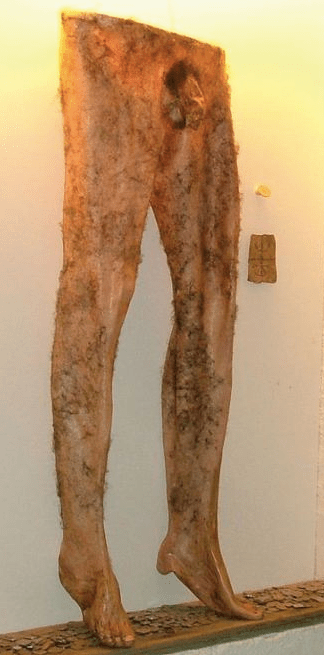
Up in Hólmavík in the Westfjords, this museum is most famous for displaying a frighteningly accurate replica pair of necropants. Apparently the signage doesn’t make it very clear that these are a replica and not in fact real, which has caused some consternation amongst concerned tourists.

If you want to make your own necropants (literally; nábrók) you have to get permission from a living man to use his skin after his death (consent is important y’all). After he has been buried you must dig up his body and flay the skin of the corpse in one piece from the waist down. As soon as you step into the pants they will stick to your own skin.

“Fun” fact – witchcraft and sorcery were said to have been practiced extensively in Iceland between 1625 and 1685 and similar to other countries there were extensive witch hunts. However the difference in Iceland is that of the 120 or so accused, only 10 were women – male sorcerers were much more likely to accused and burnt at the stake.

The Icelandic Sea Monster Museum 

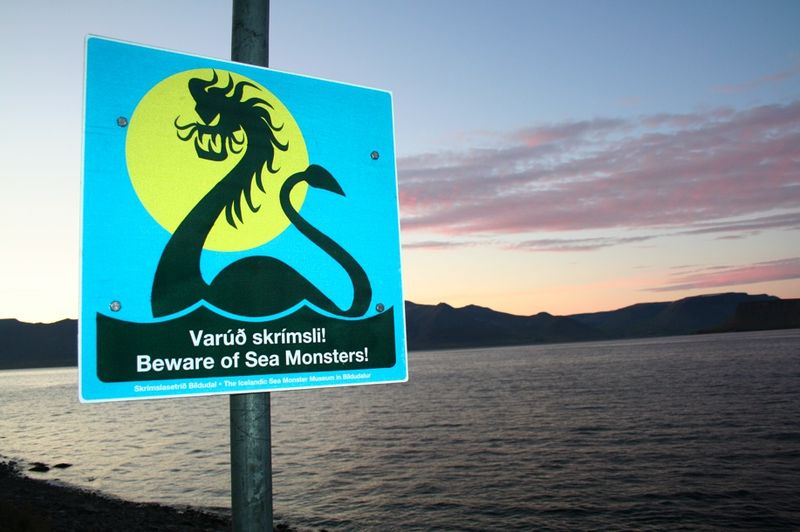
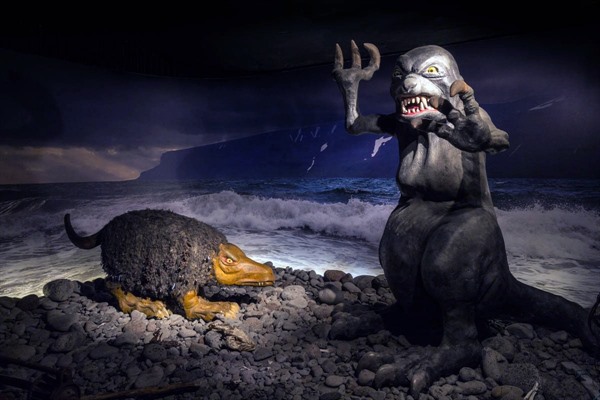
The Icelandic Sea Monster Museum is the thing that happens when someone creates a range of terribly kitsch sculptures, puts them in a room and charges you £10 to see them – but I don’t mean that in a disparaging way.

Situated in the tiny village of Bildudalur, the museum is only open for 3 months of the year, as the westernmost part of the Westfjords is impassable in winter. It is situated here because Bildudalur sits on top of Arnarfjörður fjord, which is said to have been a historical hotspot for monster activity. 

Sea monsters play a huge part in Icelandic folklore and there are several mentioned in the famous sagas, so it’s wonderful to have a museum dedicated to them, even if it is in the middle of nowhere.

Iceland’s COVID strategy – how and why are we getting it so right?

Ugh. I really didn’t want to have to do two blog posts in a row on COVID.

Unfortunately it’s kind of on my mind a lot at the moment since I spent most of Sunday in a decongestant imposed stupor, having a 6 inch COVID testing swab shoved up my nose and down my throat. (I’m negative for COVID-19 by the way. I just have normal flu. Lovely lovely seasonal normal flu).

My mum and I were talking about how Iceland seems to be managing this pandemic so much better than other countries, and her main question was….how? I’m not a medic or an epidemiological expert by any means and I think we’re far far from turning the tide but here’s where we *are* doing well.

  • We’re testing so much. SO MUCH. Most countries are only testing people with symptoms and some are not even doing that **cough** UK government start damn well testing your key workers at least **cough**. Iceland are offering tests – subject to swab availability – to *every* resident. We’ve made ground breaking discoveries about the percentage of asymptomatic cases. Knowledge is power. You know who has the virus, you can better work out the potential spread, and clusters of cases.
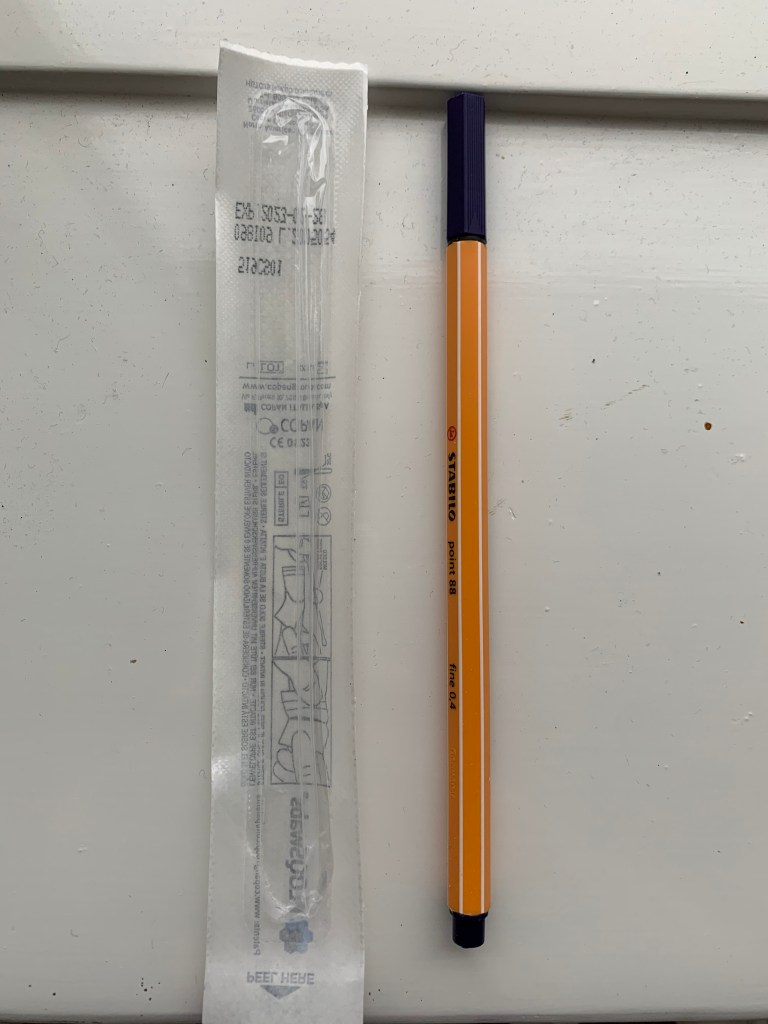
The packet from my swab with a pen for size by size comparison. Yep basically the whole length of this goes up your nose. Hurt like an absolute bitch, but as well as now having peace of mind for my own sake, the Icelandic government can add me to their statistics on negative cases.
  • A phone app has been set up to track people’s movements. This requires a two factor authentication. You basically turn on geo-tracking on your phone so it can see when and where you go for a run/to the supermarket/(to the state liquor store). You have to give permission for this to happen. If you are then at any later time diagnosed with COVID-19 you have to give permission again for scientists to access your data. It’s hoped that this can identify any key areas or ‘hot spots’ as to where the virus is being transmitted. Although this has been tried in other countries, it’s hoped that it’ll be a lot more successful in Iceland given it seems an easier project to co-ordinate with a smaller (and very socially conscious) population.
  • The government here were ahead of the UK in announcing they were going to take the unprecedented step of stepping in to pay people’s wages. We therefore didn’t really have the thing here where lower paid, or gig economy workers went to work while potentially infected or exposed, while the government pratted around deciding on strategy.
  • People here are on the whole quite stoic. Worried, but not panicked. We haven’t seen huge lines at the supermarkets. Nothing has sold out. There is some talk of upcoming shortages of some fresh vegetables – as some cannot be grown in Icelandic greenhouses – but we’ll cross that bridge if and when we come to it.
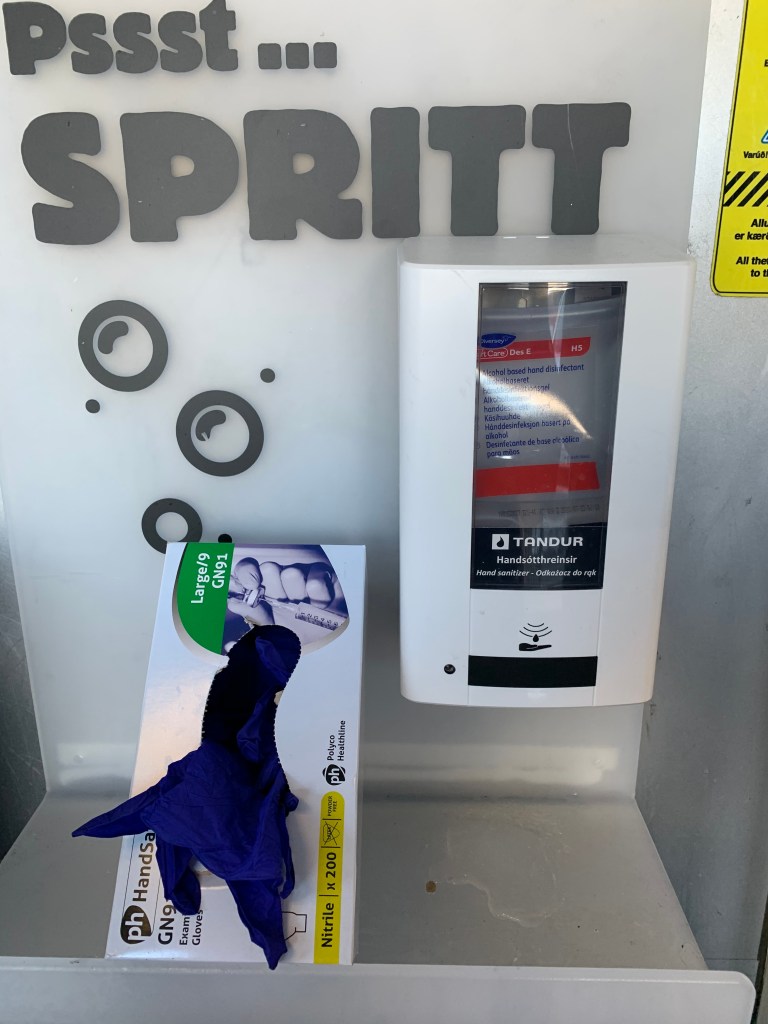
  • State sanctioned health and safety is a big thing – the supermarkets here give out gloves for free. There are paper towels and alcohol or disinfecting spray for wiping down your basket or trolley. There’s no excuse not to be careful or socially conscious when the resources to do so are free and right in front of you.
  • Our Chief Epidemiologist and Chief Superintendent are both awesome, and they run a daily press conference to update people. The Chief Superintendent has also become a bit of a heart-throb due to his dry sense of humour – on finding out some people were still offering mobile hairdressing services he wryly quipped “We just have to have ugly hair for the next few weeks. We have to live with it.”

    Of course I know the UK also does daily press conferences which I also watch, but I really have zero desire to sit and watch Michael Gove sweating through another press briefing.
  • Healthcare is just *incredibly* efficient here. When I was coughing so much I was being sick on Sunday, and John had to call the Icelandic ‘111’, they asked for my Kennitala – my unique social security number here. By pulling this up they could also pull up my address, date of birth….there was no faffing with loudly having to try and give our address to the nice doctor being sent in the (kind of alarming but obviously necessary) HazMat suit.

    I had the swab done and he was extremely apologetic being like “I’m really sorry, we usually like to get results back within 24 hours but because it’s the weekend I’m still trying to get some results processed from Friday so it might not be possible.”

    Dude. You’re not only speaking to me in flawless English (I was too far gone to even attempt basic Icelandic at this point) but you’re apologising that I might have to wait just 24 hours for a service I couldn’t even access if I were still in the UK?! And then after all that it took him just 8 hours to get my test result processed. He called at 8.30pm cos apparently that’s a thing here. It all just…works.

We are so very very far from being out of the woods here. Cases *are* still increasing. We went from having no-one in intensive care to 11 people, and 2 people have sadly died.

And of course I feel guilt – that my friends and family seem to be in such a bad place right now. That the UK government are being awful, and that there is such scant testing and scary food shortages. Waiting it out here is both a blessing and a curse when I agonise about how much more useful I could be in the UK versus how much safer I am here.

Isolation in Iceland

On being a newly arrived immigrant in the middle of the COVID-19 outbreak

Things were going so well.

I had arrived in Iceland, and while I was initially a bit homesick, things were good. I was finding my feet – I met up with another recently arrived immigrant for coffee, I found a yoga class – heck I found an aerial silks class – and joined a running group. And then, COVID-19 arrived in Iceland. Well, shit happens.

Before I moved to Iceland, and when COVID-19 was just getting serious in the UK, my mum said to me “At least you’ll be safe from coronavirus there.” Obviously that wasn’t the case, and in fact everyone here knew, despite the fact we’re on a tiny island in the North Atlantic, that it was always going to be a case of when, not if, coronavirus hit Icelandic shores. And it came the way it has arrived in many European countries, via those returning from ski trips in Italy and Austria.

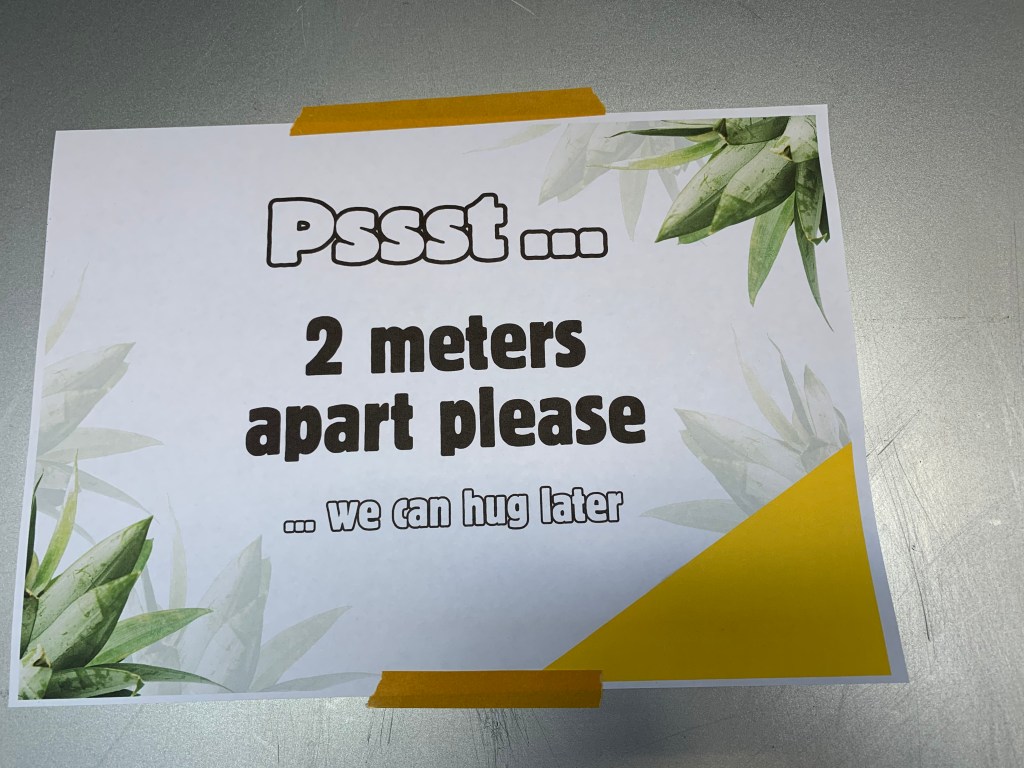
At first, no-one was particularly worried. You saw more bottles of hand sanitiser around and people stopped hugging and shaking hands, but really it was business as usual. And then we had the first cases of community transmission, and suddenly cases had leapt from 2 to 171 – a very high number of cases per capita in a country of 360,000 residents. It all got a lot more serious very quickly.

At the end of last week, Iceland followed in the footsteps of many other countries by announcing an assembly ban, which came into force today. Meetings over 100 people are banned, and residents have been strongly advised to keep 1 – 2 metres distance from anyone else. The latter has caused a certain sense of uncertainty here – unlike the more stringent measures taken in Italy and Spain which has mandated the closing of cafes, restaurants, gyms etc, there is no government mandated rule that these have to be closed here – although functionally of course it would be impossible to visit any of these locations while maintaining adequate social distancing.  

A further point of contention here is that there has been no effort made by the government to halt tourism into the country. This is obviously a really tricky situation – Iceland’s economy is heavily dependent on tourism, and the crash of 2008 is still very fresh in the minds of many people here. Many people are arguing that a sense of normalcy should continue as long as possible, so Iceland has a hope of having a still functioning economy once this crisis has passed. And then you have another set of people furious that the government aren’t putting in place more stringent measures around tourism, and that we’re sleepwalking into a major national health crisis.

So what is it like being a newly arrived immigrant in a country under semi-quarantine?

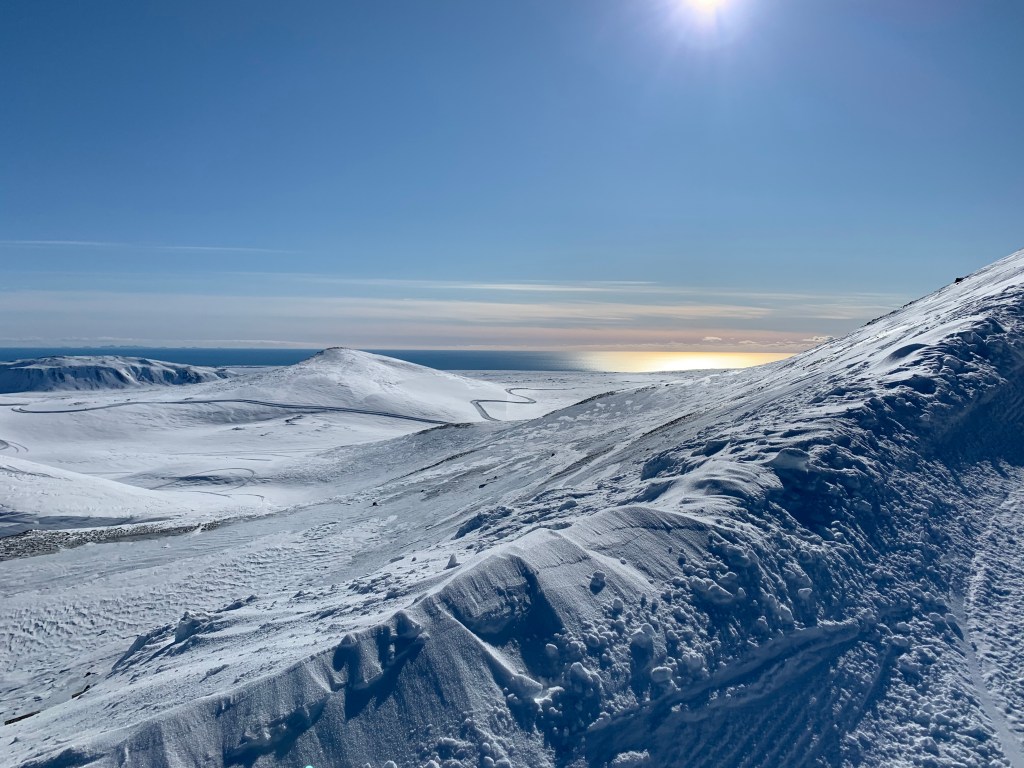
It’s boring, but it is bearable. The good thing about being under an advised, rather than mandated quarantine, is it is still possible to get out and about – carefully. I was lucky enough to be able to drive to a small ski resort just outside of town at the weekend, I can go to the supermarket as long as I’m careful about maintaining distance, and I can go for long walks along the beautiful coastline.

Bláfjöll ski resort was open for business this past weekend

The one good thing about being at home a lot and having a lot of free time is that it is forcing me to actually pick up my books and push forward my Icelandic learning. Also one of the subscription channels here has made a load of its content free during the crisis, which means I have free access to a load of children’s TV shows – a great way to improve my Icelandic. My current favourite watches are Doddi (Noddy in English), Pósturinn Páll (Postman Pat) and Kóala Bræður (Koala Brothers – a silly pre-school age cartoon about two koalas living in the Australian outback).

Another brilliant thing about living in Iceland during a crisis like this is that the social contract here is immensely strong. In a city of 122,000 people a lot of people know each other, or you speak to someone and find that you both have a mutual friend in common. People look out for each other here in a way they don’t in the UK – this is obviously part of what makes Iceland such a safe country, and was a huge draw to move here.

Last week, a company out here called deCODE genetics announced they were offering free coronavirus screenings to any resident of Iceland, regardless of risk factors. deCODE has not been without controversy – a private company initially set up in 1996 with the aim to create an Icelandic Health Sector Database containing the medical records of all Icelanders – it has attracted a lot of criticism over the years from people worried about consent and potential privacy violations. However almost universally the opinion here is immense gratitude towards deCODE for this particular service. In fact, the offer was so popular the website immediately crashed and testing slots are now booked up a week in advance. With almost 1000 people being tested per day Icelandic scientists are able to learn so much about how the virus is spreading here – most notably it has been discovered a staggering number of positive results – up to half – have come from people who are asymptomatic. There is a lot of hope that with some good old collective social responsibility, this can be beaten.

Takk if you have read this far, and I hope everyone is staying safe and healthy.

Residency woes, accidental proposals and residency success!

So I’m keeping a blog to document my time in Iceland – starting with my struggle for residency – and my rather accidental proposal to John (don’t worry – we’re not engaged, no one has missed anything!)

The last couple of weeks have been a whirlwind of packing, working out my notice, John already having moved to Iceland and having started his job, and me trying to get the right documents together for the move.

In Iceland, you need something called a Kennitala to exist there. A Kennitala is a bit like a national insurance or social security number only you need it for *everything*. And I mean everything. Want to open a bank account? Rent a flat? Join the gym? Go to the library? Err nope not without a Kennitala you can’t. The Kennitala is the basis of existence in Iceland, so getting both of ours sorted ASAP has been a bit of a priority.

Luckily for us because John had a job offer in Iceland his Kennitala came through incredibly quickly, and in fact he had confirmation of acceptance of residency on the very first day he started work.

I was initially not so lucky. Initially things seemed like they might be easy-ish (haha!) – John has a job which is a great start, and we were told we would be considered common law married on the basis of our long relationship and residency together. This would have meant he could have applied to financially support me through his job, making things infinitely easier for me as someone initially moving with no employment. Sounds too good to be true, right? It was.

Things got a lot more complicated very quickly. “Oh we need utility bills to prove how long you have been together” Ok fine. “Oh we need flat contracts going back X number of years as well to show you were resident together” Oh god really? I can barely remember where I live at the moment, let alone 5 years ago! And then the kicker “Oh you’ll need a certificate of non-impediment to show you’re not married to anyone else and can legally reside together.” AHA. I knew there was a reason I had trained as an immigration caseworker – I know what one of these is – I also know it’s impossible to get hold of without a huge number of delays which we definitely didn’t want to experience.

This was the point at which I said to John “Argh, I hate admin!” We could just like, get married? Then we wouldn’t have to do all this paperwork to prove we’re common law married cos we could just….be married?!” See, I’m such a romantic. *Shockingly* he very politely refused this *highly romantic and heartfelt* proposal by pointing out that a) I’ve never wanted to get married, and b) Marriage also involves a shocking amount of money and paperwork. Dammit! I hate it when he’s completely right.

So we worked out a plan B which basically involved me self-certifying as able to support myself in Iceland, which resulted in moving a lot of money between our savings accounts and then my bank giving me a call and basically questioning the suspiciously large transaction that had just come through my account (their trying-to-be-polite way of saying, why do you suddenly have a rather large amount of money when your savings account is usually like, £4. Ha.)

Luckily once I was actually out there last week, I couldn’t believe how easy the residency process actually was. You basically turn up at a government office with your original documents and reference number. They weren’t even interested in seeing the originals of my bank statements and health insurance bits, just in having a cursory look at my passport.

I did this straight away when the offices opened at 9am, thinking there was bound to be some kind of screw up and I’d have to be running around town in a blind panic photocopying various things. Nope. I walked back to our accommodation, and got back to learning Icelandic. At 10.55, less than 2 hours later my e-mail pinged. Residency approved!!!

So there you have it. Stay tuned for my next blog which will be about our new house, which we move into on the 18th 🙂

ReplyForward
Design a site like this with WordPress.com
Get started